Slab Leak Detection & Repair in Irving, TX
Irving stretches from the older neighborhoods of South Irving to the master-planned communities of Las Colinas and Valley Ranch, and that span covers two very different plumbing eras. South of the freeways, 1960s and 1970s homes still run original copper now sixty-plus years old, sitting in the same Blackland clay that troubles the rest of the metroplex. Northward, Las Colinas and Valley Ranch rose in the 1980s and 1990s with younger systems, but fast construction left its share of kinked lines and poorly bedded pipe. Our technicians provide same-day slab leak detection across all of Irving using acoustic microphones, thermal imaging, and tracer gas, pinpointing failures within inches before any concrete is disturbed. From the Hackberry Creek golf course communities to the established streets of south Irving, every visit ends with a marked location, photo documentation, and flat-rate repair options. A spiking water bill, a warm spot on the tile, or the sound of running water in a quiet house all deserve same-day attention in Irving's shifting clay.
Neighborhoods We Serve in Irving
Las Colinas, Valley Ranch, Hackberry Creek, Cottonwood Valley, North Irving, South Irving, University Hills, La Villita, Twin Wells, Irving Heights — and every ZIP code in between.
Why Irving Homes Get Slab Leaks
Irving sits on Blackland Prairie clay, the expansive soil behind most DFW foundation and plumbing trouble. It swells with seasonal rains and shrinks in summer heat, heaving slabs twice yearly and fatiguing buried copper joints over decades. Near the Trinity River corridor, high water tables keep soils damp and chemically aggressive against copper year-round, while mature trees in older south Irving neighborhoods draw moisture unevenly, tilting slabs and shearing connections.
Two Plumbing Eras: South Irving and Las Colinas
Irving's geography tells the slab leak story in two acts. South Irving developed first, with 1960s and 1970s subdivisions plumbed in copper and poured on Blackland clay. That copper is now past sixty years old in the oldest homes, an age where pinhole failures stop being a question of if and become a question of when. The clay beneath has spent six decades swelling with spring rains and shrinking through summer droughts, flexing every joint twice a year, and mature trees in these established neighborhoods pull moisture unevenly from the soil, tilting slabs and shearing connections. North Irving is younger but not safer. Las Colinas broke ground in the 1970s and built out through the 1990s, and Valley Ranch followed, both with the speed that characterized DFW's boom. Our technicians regularly find the boom's fingerprints under these slabs: PEX kinked at rough-in, copper laid on rocky trench bottoms without sand bedding, and backfill containing debris that abrades pipe with every soil shift. The Trinity River corridor adds high water table zones where soils stay damp and aggressive against copper year-round. For Irving homeowners, the practical takeaway is to know your act. South Irving with original plumbing faces age and corrosion; Las Colinas and Valley Ranch face installation defects. Both produce the same symptoms and both are precisely diagnosable, but they fail for different reasons and we treat them accordingly.
Slab Leak Signs Irving Homeowners Should Watch For
The warning signs are consistent across the city. A water bill that jumps without explanation is the earliest and most reliable flag; Irving's billing history makes abnormal usage easy to spot. Warm spots on tile or wood floors indicate hot-water line failures, the most common type in ranch-style homes with long runs. Hissing or running water sounds in a quiet house, particularly at night, warrant a same-day call. Look for tile that cracks or tents, laminate buckling at seams, and carpet dampness along baseboards. A water heater cycling far beyond normal use is heating water that is escaping underground. Musty odors that persist after cleaning suggest moisture wicking into wall cavities through the slab. Outside, a strip of lawn that stays green through the dry months can mark a supply leak feeding it from below the slab edge. In Irving's clay, watch for foundation companions too: doors that stick after dry spells and hairline brick cracks that widen, because leaking water erodes the same soil supporting your foundation, and foundation movement stresses additional joints. When the bill spikes and any physical sign appears together, schedule detection immediately rather than giving it another billing cycle.
How Slab Leak Detection Works in Irving
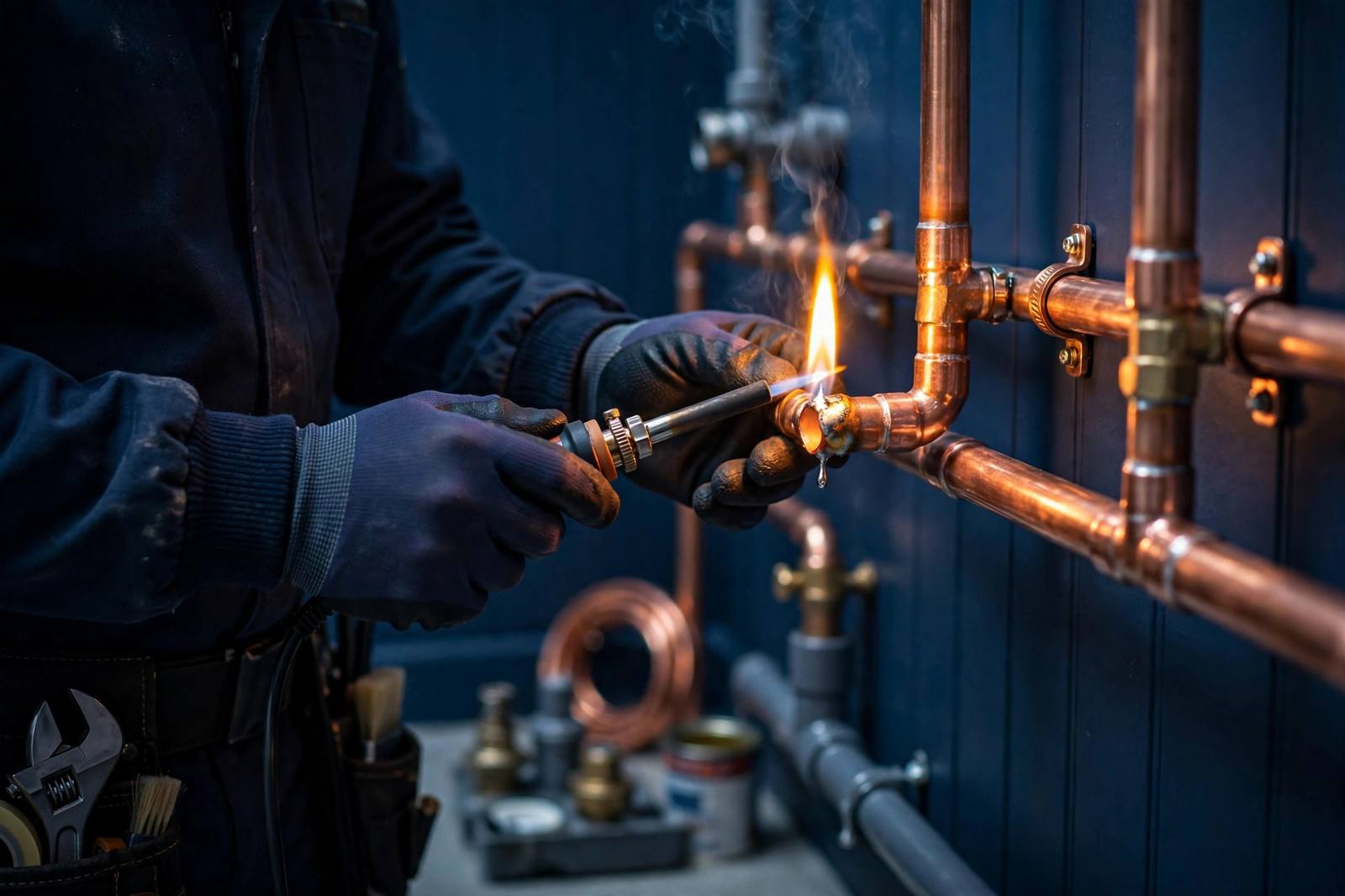
Our Irving detection protocol is built around proof, not guesses. The visit begins at the water meter with the entire house shut down, fixtures, ice maker, and irrigation. A moving dial confirms a pressurized leak exists, and shutting the water heater supply reveals whether it is hot-side or cold-side, which halves the search area before equipment is unpacked. Acoustic listening comes next. Sensitive ground microphones detect the high-frequency hiss of water escaping under pressure, and our technicians distinguish a leak's signature from background plumbing noise. Thermal imaging cameras then scan floors for heat blooms from hot-line failures, highly effective on tile floors common throughout Irving. For faint signals or thick slabs, tracer gas pinpoints within inches: the suspect line is drained, charged with a safe hydrogen-nitrogen blend, and a sniffer finds the exact escape point. Segment pressure tests confirm the diagnosis before any repair is proposed. The visit takes one to two hours and produces a written report with the marked location, thermal images, and a flat repair quote. That documentation supports insurance claims, warranty disputes, and resale disclosures. No concrete work is discussed until the location is proven.
Slab Leak Repair Options in Irving
Once located, Irving homeowners choose among four repair strategies. Spot repair opens the slab at the pinpointed point, replaces the failed section, and patches the concrete. It is the economical answer for a single isolated failure in an otherwise healthy system, typical when one installation defect is found in a younger home. Tunneling goes underneath instead: technicians hand-dig beneath the foundation from outside and repair from below, leaving floors untouched. In Las Colinas, Valley Ranch, and Hackberry Creek homes with tile, hardwood, or stone, tunneling often costs less in total than breaking and replacing premium flooring. Rerouting abandons the failing under-slab line and runs new PEX through walls and attic, the right call when copper keeps developing pinholes in new spots. Whole-house repiping replaces every supply line and is the definitive fix for 1960s and 1970s south Irving homes on their third or fourth leak. Our technicians present each viable option with pricing, expected lifespan, and disruption level, because the best choice depends on your system's failure history and your flooring's value. Every job is permitted, pressure-tested, and warranted in writing, with concrete and finish restoration coordinated under one roof.
Slab Leak Detection and Repair Costs in Irving
Irving detection visits with professional acoustic and thermal equipment run $165 to $450, usually credited toward the repair. Spot repairs on a pinpointed leak typically cost $2,200 to $4,200 including breakout, pipe replacement, backfill, and slab patching. Tunneling ranges from $4,200 to $7,000 for the excavation labor, but preserves flooring often worth far more. A hot-line reroute through the attic generally lands between $2,600 and $5,200 depending on run length and fixture count. Whole-house repipes for a typical 2,000-square-foot home run $7,000 to $14,000. Irving cost drivers include post-tension slabs in 1980s and 1990s builds requiring pre-cut scanning, high water table zones near the Trinity corridor complicating tunneling, and older homes where asbestos testing is prudent. Bids far below these ranges are a warning sign: skipped permits, untested joints, and compression fittings buried in concrete are the usual shortcuts, and they fail within a few years. Our quotes itemize labor, materials, permit fees, and restoration separately for honest comparison, and financing is available for repipes and larger projects. Compare total project cost, not just the plumbing line, because a cheap breakout that destroys expensive flooring is never actually cheap.
What to Do When You Suspect a Slab Leak in Irving
Confirm the leak yourself first. Turn off every fixture, the ice maker, and the sprinklers, then watch the water meter for fifteen minutes. A moving dial means pressurized water is escaping somewhere. Shut the water heater supply valve and recheck; if the meter stops, the failure is on the hot side, which focuses the search. Photograph the meter readings and any damp spots, cracked tile, or warm areas, because documentation accelerates insurance claims and warranty disputes. If water is actively surfacing, close the main valve at the meter to stop damage and billing. Then call for same-day detection rather than waiting. In Irving's clay, delay compounds: leaking water erodes soil support, the slab settles, and settling stresses more joints, converting one leak into several. Never authorize jackhammering on a guess. A proper detection visit takes about two hours and costs a few hundred dollars; a misplaced slab opening costs thousands and fixes nothing. When our technician arrives, expect a confirmed location, thermal images, and a flat quote before concrete work enters the conversation. Most repairs schedule within days and finish in one to three days, with the full price approved by you before we begin.
Get a Pinpoint Diagnosis in Irving
No jackhammer guesswork. Thermal imaging + acoustic equipment finds your leak within inches.
☎ Call (877) 762-1902Irving Slab Leak FAQs
How much does slab leak detection cost in Irving?
Irving detection visits run $165 to $450 with acoustic, thermal, and tracer gas equipment. The appointment takes one to two hours and ends with a marked leak location, thermal images, and a flat repair quote. The fee is credited toward the repair when you proceed with us.
Which parts of Irving get the most slab leaks?
South Irving's 1960s and 1970s homes with original copper see the most age-driven failures. Las Colinas and Valley Ranch homes from the 1980s and 1990s fail less often from age but do see installation-defect leaks. The common thread across both is Blackland clay soil movement.
Does homeowners insurance cover slab leaks in Irving?
Texas policies typically cover resulting damage like ruined flooring but exclude the pipe repair as wear and tear. Document symptoms with photos and dates, because sudden failures with clear timelines get much better claim treatment.
How long does slab leak repair take in Irving?
A spot repair is usually completed in one day. Tunneling takes two to three days, and reroutes or repipes run two to five days. Irving permit inspections are coordinated as part of the project.
Should I tunnel under the slab or reroute the lines?
Tunneling preserves your floors by repairing from below, ideal for Las Colinas and Valley Ranch homes with upgraded finishes. Rerouting abandons failing copper entirely and is the better long-term answer when pinholes keep recurring. We quote both with full restoration costs.
Do you warranty slab leak repairs in Irving?
Yes. Every repair includes a written workmanship warranty, with extended coverage on tunneling, reroutes, and repipes. All work is permitted, pressure-tested, and photographed for your records.
Nearby Cities
Keep Learning
Selling a House With a Slab Leak: Disclosure & Value
Selling a house with a slab leak? Learn disclosure rules, how leaks affect home value, repair-vs-as-is math, and the paperwork tha…
7 Signs of a Slab Leak Every Homeowner Should Know
Spot a slab leak before it destroys your foundation. The 7 warning signs — high water bills, hot spots, cracks — plus what to do n…
How Much Does Slab Leak Detection Cost in 2026?
Slab leak detection costs $150-$600 in 2026. Compare per-method pricing, what's included in a proper visit, cost factors, and how …